

The Skincare Words That Actually Matter for Dry Skin

The Skincare Words That Actually Matter (And the Ones That Don’t)
There’s no shortage of clever-sounding words in skincare.
Barrier repair. Skin flooding. Active delivery systems.
They sound impressive. Scientific. Like they must be doing something important.
But for me, a lot of it is there for effect.
To sell. To confuse. To over complicate.
And if your skin is dry, sensitive, or changing (which many of my customers tell me it is), all that noise doesn’t help. It just makes it harder to know what your skin actually needs.
So let’s strip it back.
Because there are a handful of terms worth understanding — not because they’re trendy, but because they explain why your skin feels the way it does.
Why this matters (especially if your skin has changed)
Most women come to me saying the same thing:
“My skin just feels tight… and nothing seems to work anymore.”
Products that used to feel lovely suddenly don’t cut it.
Your skin feels drier, more sensitive, sometimes a bit reactive.
And the natural reaction?
Try something new. Add another product. Follow the latest advice.
But more often than not, that just adds to the overwhelm.
Because this isn’t about needing more.
It’s about understanding what your skin is missing — and choosing products that actually support it.
Once you understand a few key ideas, everything becomes much simpler.
The only skincare terms you really need to know
Emollients — the comfort-givers
If your skin feels dry, tight, or slightly rough, this is where to start.
Emollients are what make your skin feel soft, smooth, and comfortable again. They work by filling in the tiny gaps in your skin, helping to reduce dryness and rough texture.
This is what your skin is often crying out for — especially as it gets drier with age.
Think nourishing ingredients like rosehip oil, jojoba, shea butter, and mango butter.
Shea butter is one I’ve always loved working with — mine is raw and organic, it’s incredibly effective at bringing comfort back to dry, unsettled skin.
And mango butter complements it beautifully — rich, but never heavy, helping to soften and smooth without leaving your skin feeling greasy.
Simple ingredients, thoughtfully combined, can make the biggest difference.
You’ll find these types of ingredients at the heart of my formulations because they do one thing really well — they help your skin feel comfortable again.
Humectants — the water-holders
These ingredients attract water into the skin.
You’ll often see ingredients like glycerine described as “hydrating” — and rightly so.
It’s one of those simple, often overlooked ingredients that quietly does a brilliant job.
But here’s the bit that’s often missed.
If your skin barrier isn’t in great shape, humectants can sometimes make dryness feel worse, not better.
They pull water into the skin… but if that water isn’t held there properly, it can escape just as quickly.
Which is why you can use something that feels hydrating, and still find your skin feeling dry not long after.
This is why I always pair humectants with richer, more nourishing ingredients — so your skin isn’t just hydrated, but able to hold onto that hydration.
Trans-Epidermal Water Loss (TEWL) — why your skin won’t stay hydrated
A complicated name for a very simple idea:
Water escaping from your skin.
When this happens too quickly, your skin feels tight, dry, and uncomfortable — no matter how much you apply.
This is incredibly common as we get older, or when skin becomes sensitised.
And this is where richer formulations really come into their own.
Ingredients like plant oils, waxes, and butters help slow that water loss down by creating a light protective layer on the skin.
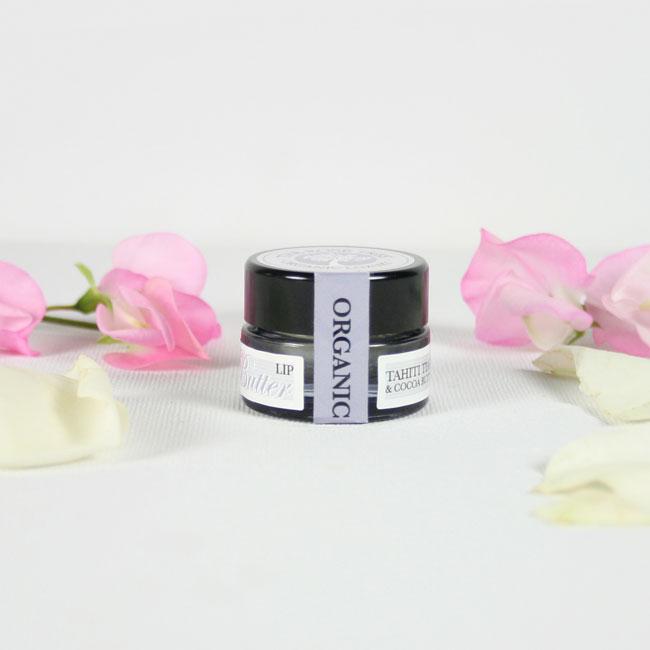
This is exactly why I love working with balms.
They’re not about sitting heavily on the skin — when formulated well, they’re about helping your skin hold onto what it already has, so it feels comfortable again.
Skin Barrier — your skin’s protection layer
Your skin barrier is what keeps moisture in and irritation out.
When it’s working well, your skin feels calm, balanced, and comfortable.
When it’s not, your skin becomes:
- Dry
- Sensitive
- Reactive
- Harder to manage
Most of the women I speak to don’t need stronger actives or more steps.
They need to support their skin barrier — gently and consistently.
For me, that comes back to using ingredients your skin understands — nourishing oils, gentle plant actives, and lipids that reinforce rather than strip.
That’s always been my approach. Work with your skin, not against it.
So what does your skin actually need?
Not a 10-step routine.
Not a shelf full of products.
And not every trending ingredient you see online.
What dry, sensitive, or midlife skin usually needs is surprisingly simple:
- Ingredients that bring comfort back to the skin (emollients)
- Support to reduce water loss
- A routine that works with your skin, not against it
Put these three things together — and that’s where the magic happens.
Skin that feels softer. Calmer. More comfortable in itself.
Not for an hour. Not just after you apply something.
But properly, consistently better.
Why “more” isn’t always better
One of the biggest patterns I see?
Women layering more and more onto skin that’s already struggling.
More serums. More actives. More steps.
In the hope that something will finally work.
But when your skin is already dry or sensitised, this can often make things worse.
Because instead of supporting your skin, you’re overwhelming it.
Sometimes the most powerful thing you can do is simplify.
A simpler way to care for dry skin
If you’re not sure where to start, go back to basics:
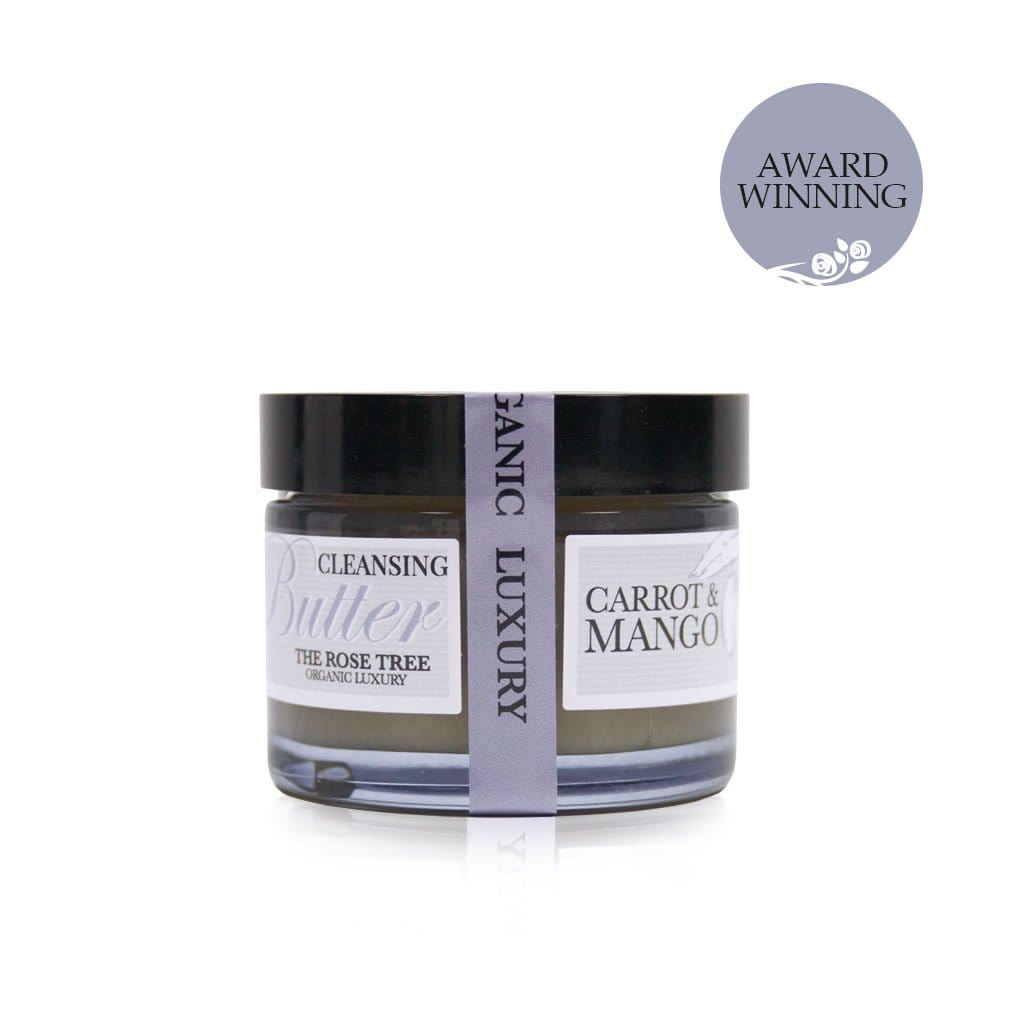
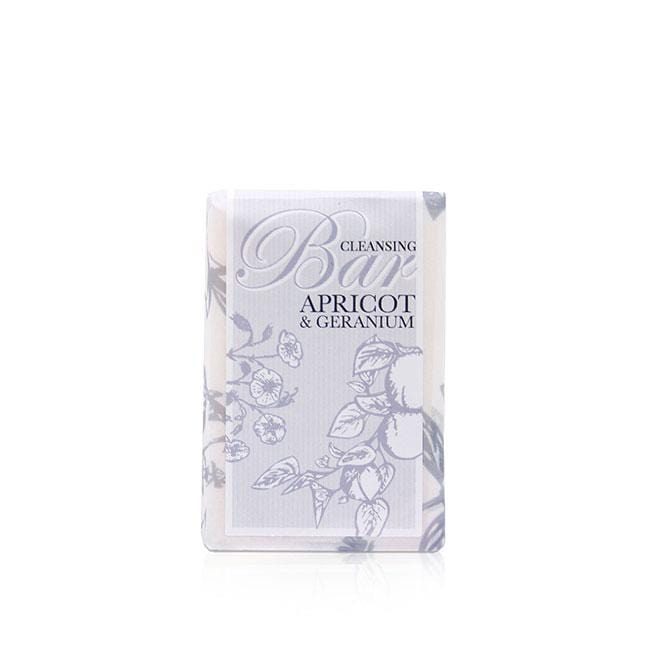
- A gentle, nourishing cleanser that doesn’t strip your skin
- A face oil or balm to bring back softness and comfort
- A cream if your skin needs an extra layer of support
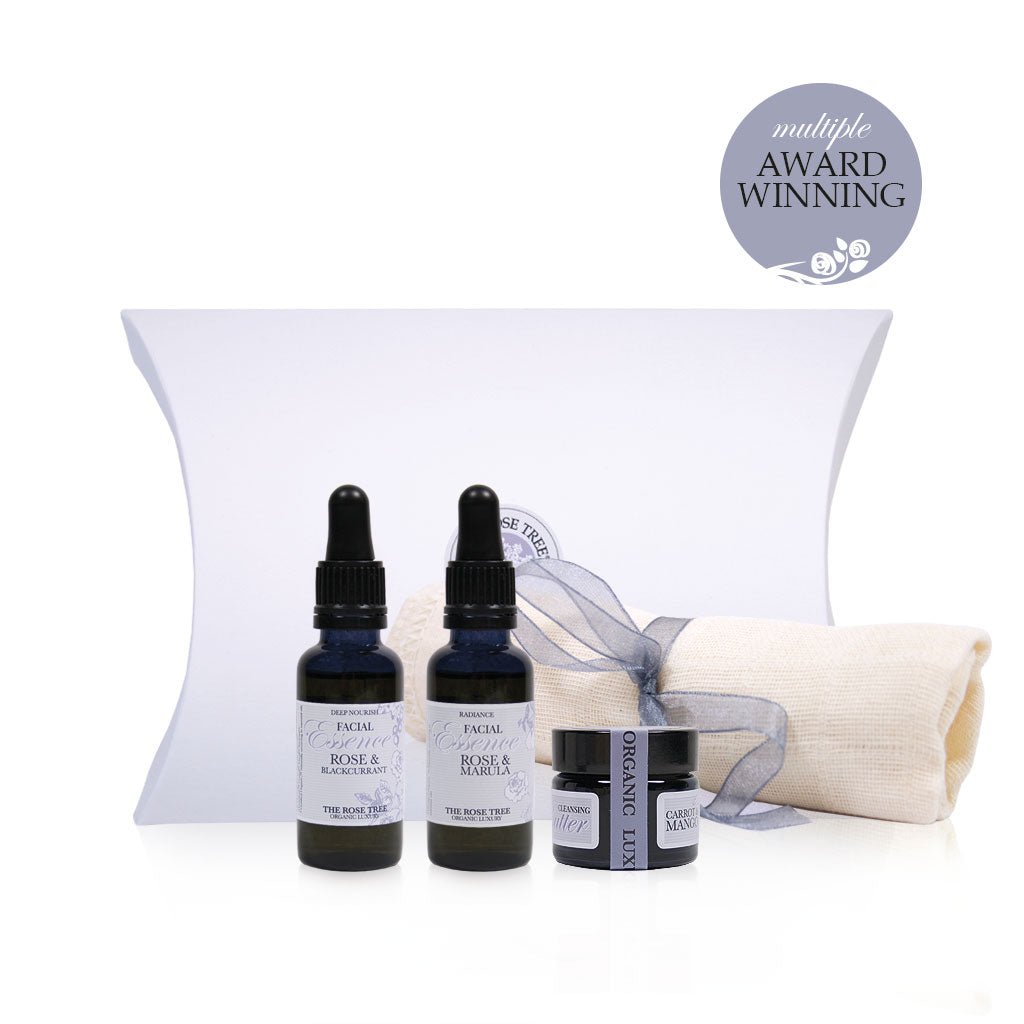
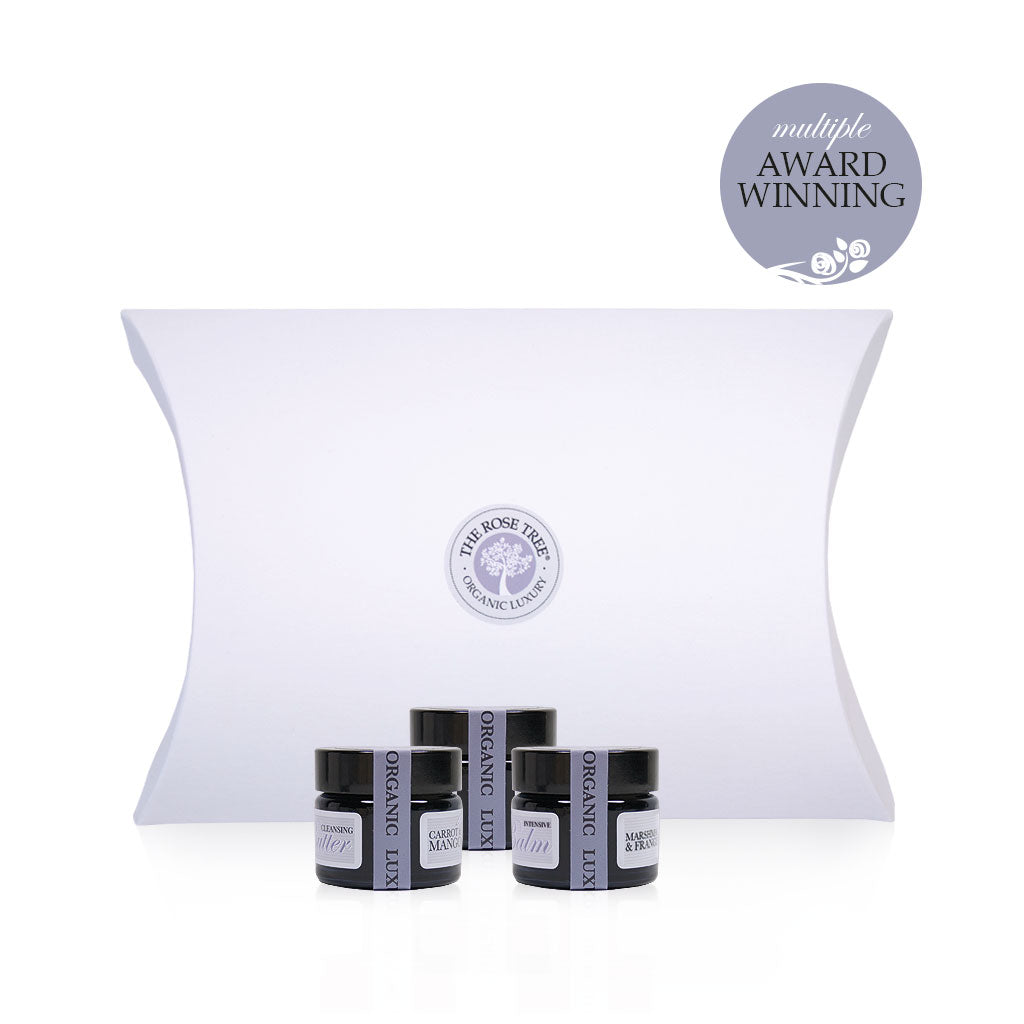
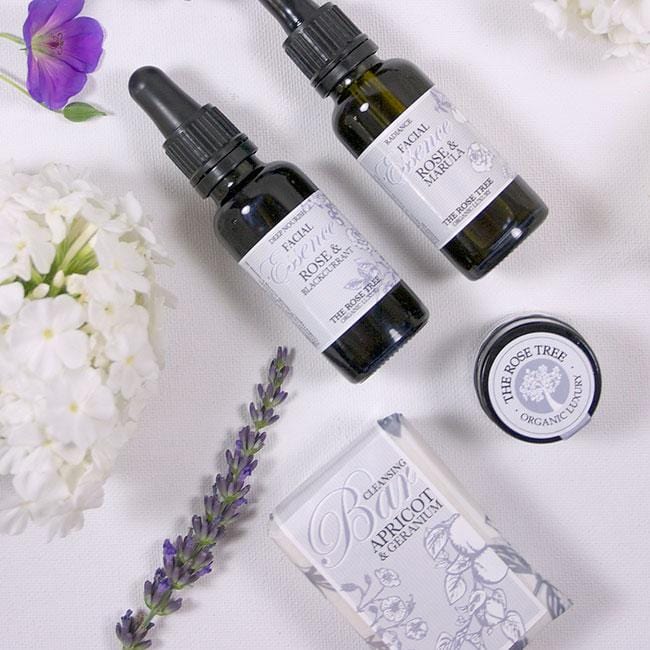
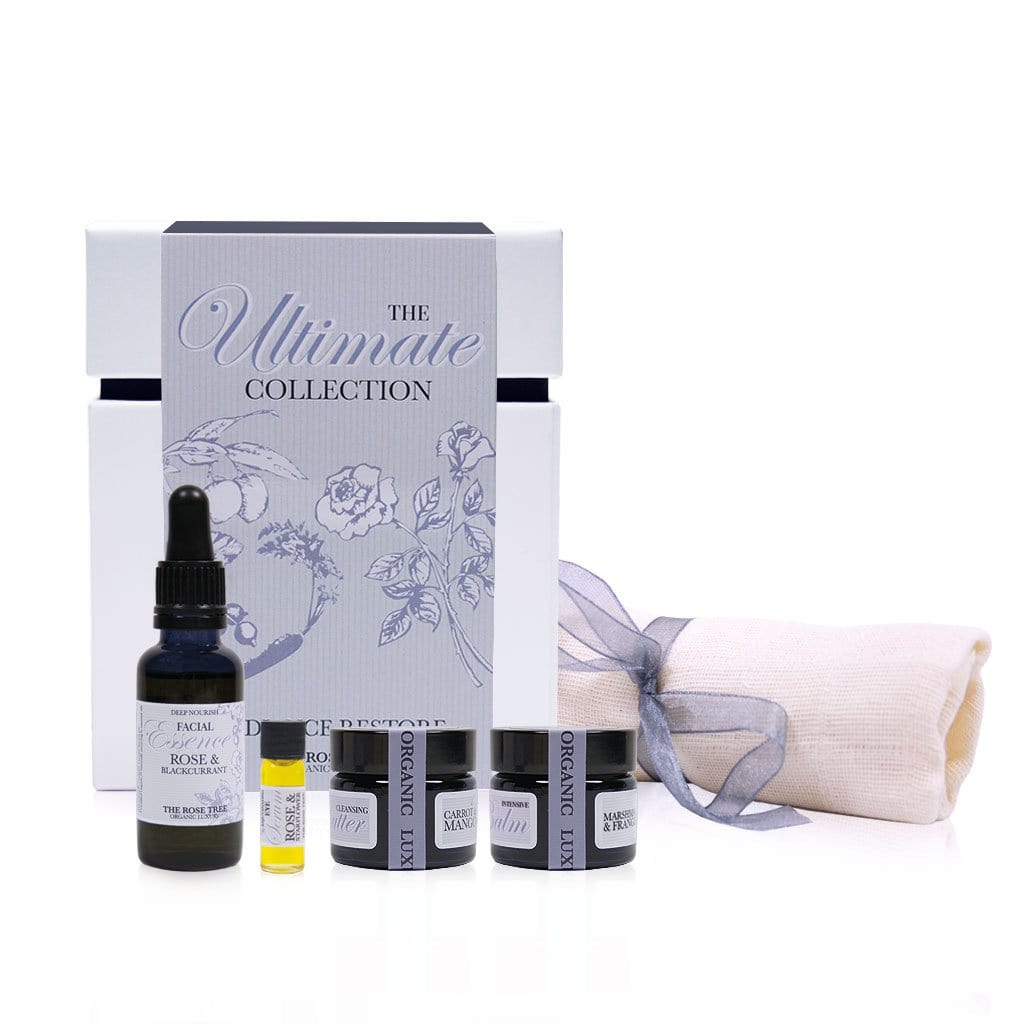
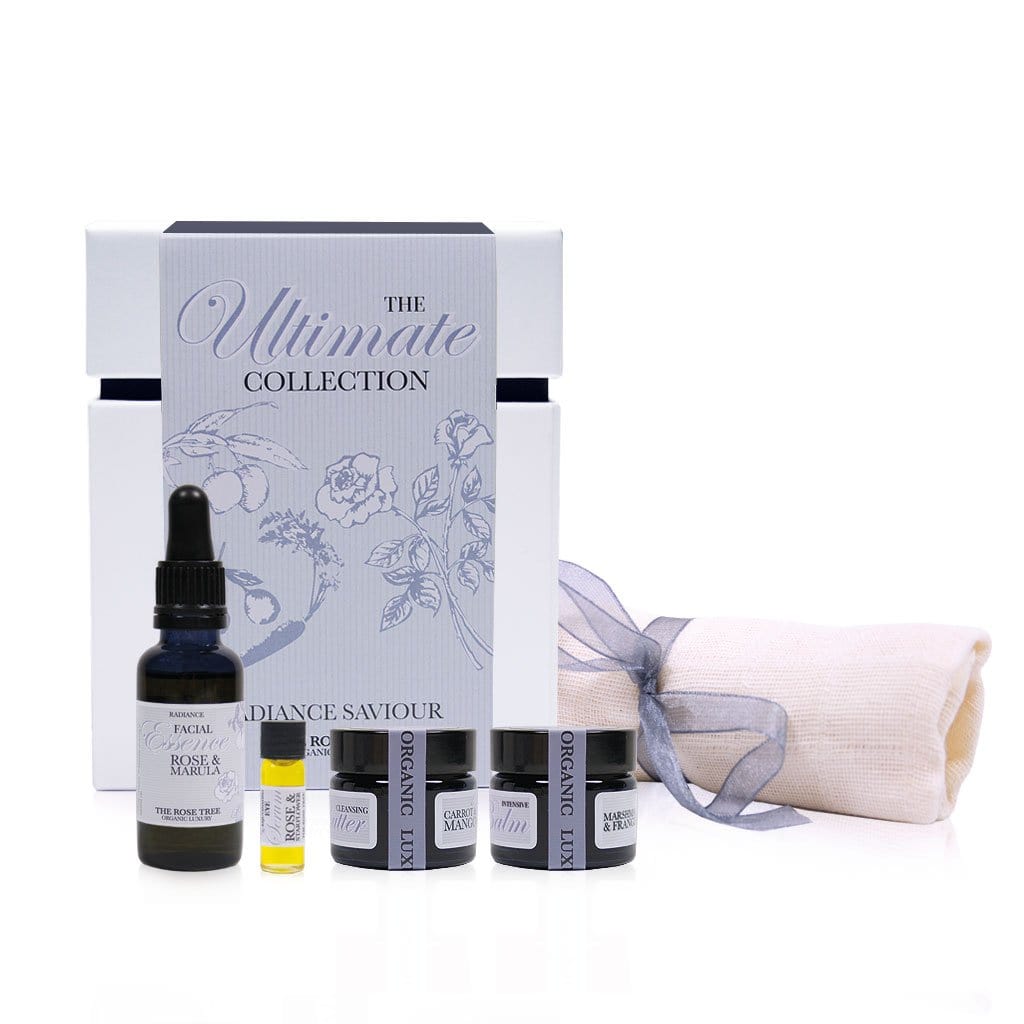
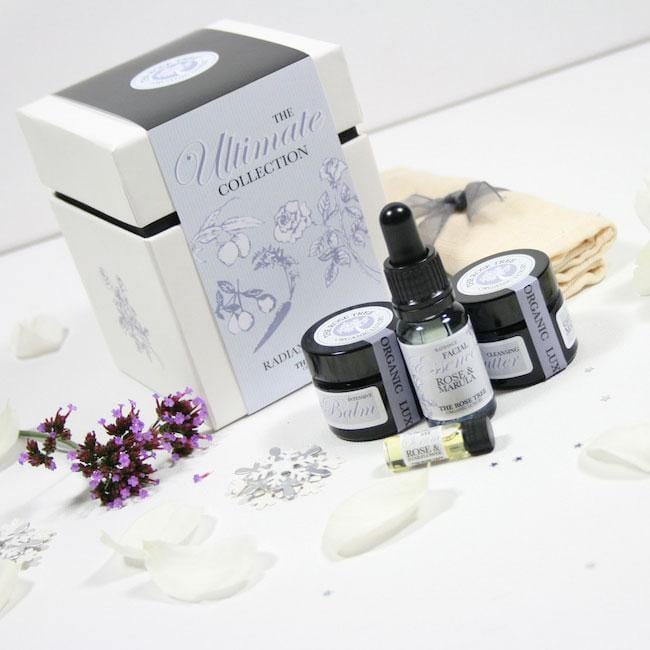
This is exactly why I created the Starter Kits.
They bring these principles together in a simple, effective way — so you’re not guessing, and you’re not overwhelming your skin with too much at once.
You can always add more later.
But starting simple gives your skin space to rebalance.
A final thought
Skincare doesn’t need to be complicated to work.
You don’t need to understand every ingredient or follow every new trend.
You just need a few simple principles — and products that genuinely support your skin.
Because when your skin feels comfortable again, everything else becomes easier.
And that’s what good skincare should do.











Leave a comment