

Dry vs Dehydrated Skin: When Waterless Skincare works (and when it doesn’t)

The waterless skincare hype (and what I actually think)
Scroll for five minutes and you’ll see the headlines:
-
“Waterless skincare will change your world.”
-
“No water = more potent.”
-
“No fillers!”
-
“The best thing since sliced bread.”
And look… I get it. It’s clickable. It’s exciting. It’s simple.
But skincare, especially midlife/menopausal skin is rarely that neat.
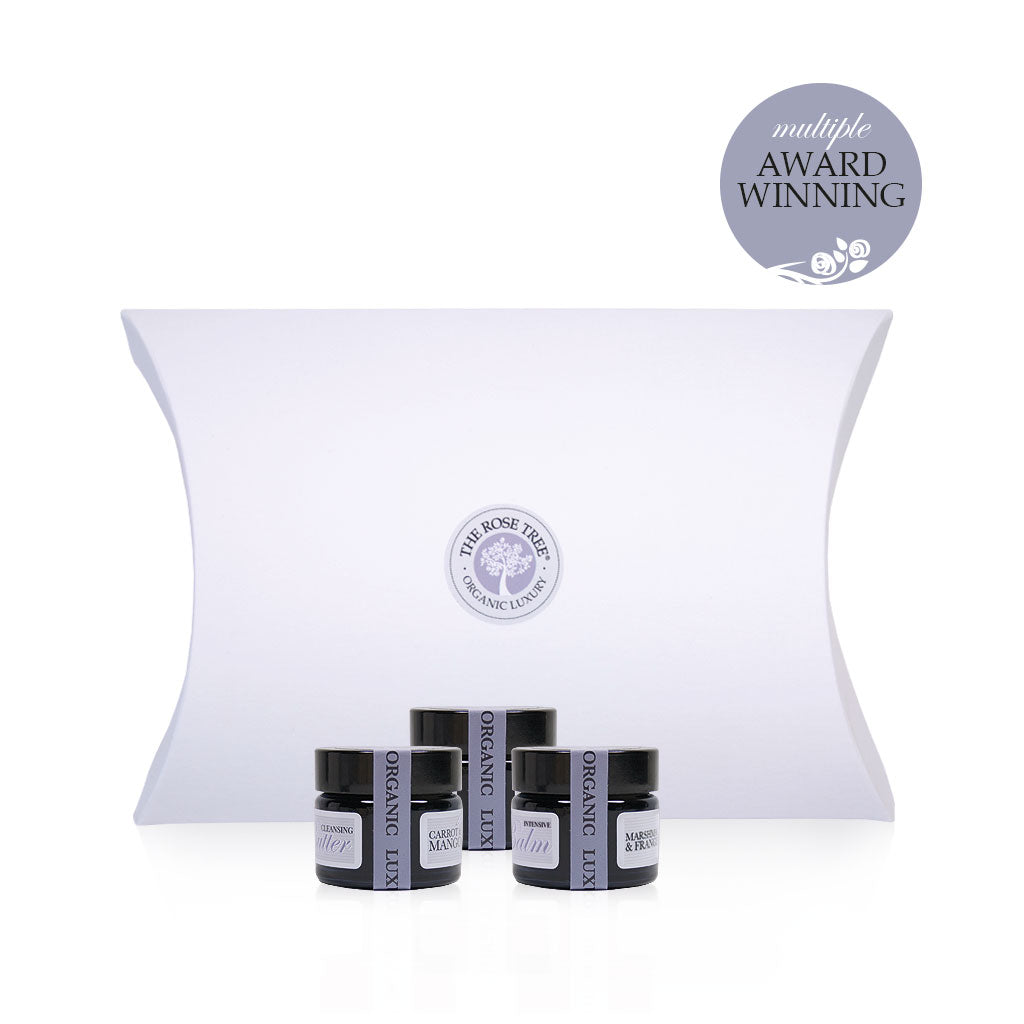
Waterless skincare isn’t “bad”. In fact, I love it. My most awarded product — Intensive Balm with Marshmallow & Frangipani — is waterless (Beauty Shortlist Awards 2025: Best Waterless Balm + Best Beauty Balm). Many of my formulas are.
The bit I’m not here for is the idea that waterless is automatically “better for everyone”.

What “waterless” actually means
A waterless product is usually an oil/balm/ointment-style formula — no water phase, no classic cream texture.
That often means:
-
Fewer ingredients needed to stabilise a water phase
-
A rich, cushiony feel
-
A formula that’s brilliant at supporting the skin barrier
But “no water” doesn’t magically mean “more effective”. It means it behaves differently on the skin.
The simple science: why skin feels dry in the first place
Your skin loses water every day through something called trans-epidermal water loss (TEWL).
In plain English: water evaporates from your skin.
Dermatology texts describe moisturisers as a mix of:
-
Humectants (pull water in)
-
Emollients (smooth/soften)
-
Occlusives (form a barrier to reduce water loss)
Balms are typically very occlusive (in a good way). They help slow down water loss so your skin feels calmer, softer, more comfortable.

Dry vs dehydrated skin (the simplest way to think about it)
This is where most of the confusion lives.
-
Dehydrated skin = lacking water (often feels tight, can look dull, can happen to any skin type)
-
Dry skin = lacking oil/lipids (often feels rough/flaky, barrier feels compromised)
Menopausal skin often gets hit with both.
Why a waterless balm can be a dream for menopausal skin
If you’re in your 40s/50s/60s and your skin has suddenly become:
-
drier
-
more reactive
-
more “tight”
-
more easily irritated
…that’s often a barrier issue.
A balm can be exactly what your skin has been begging for: comfort + protection.
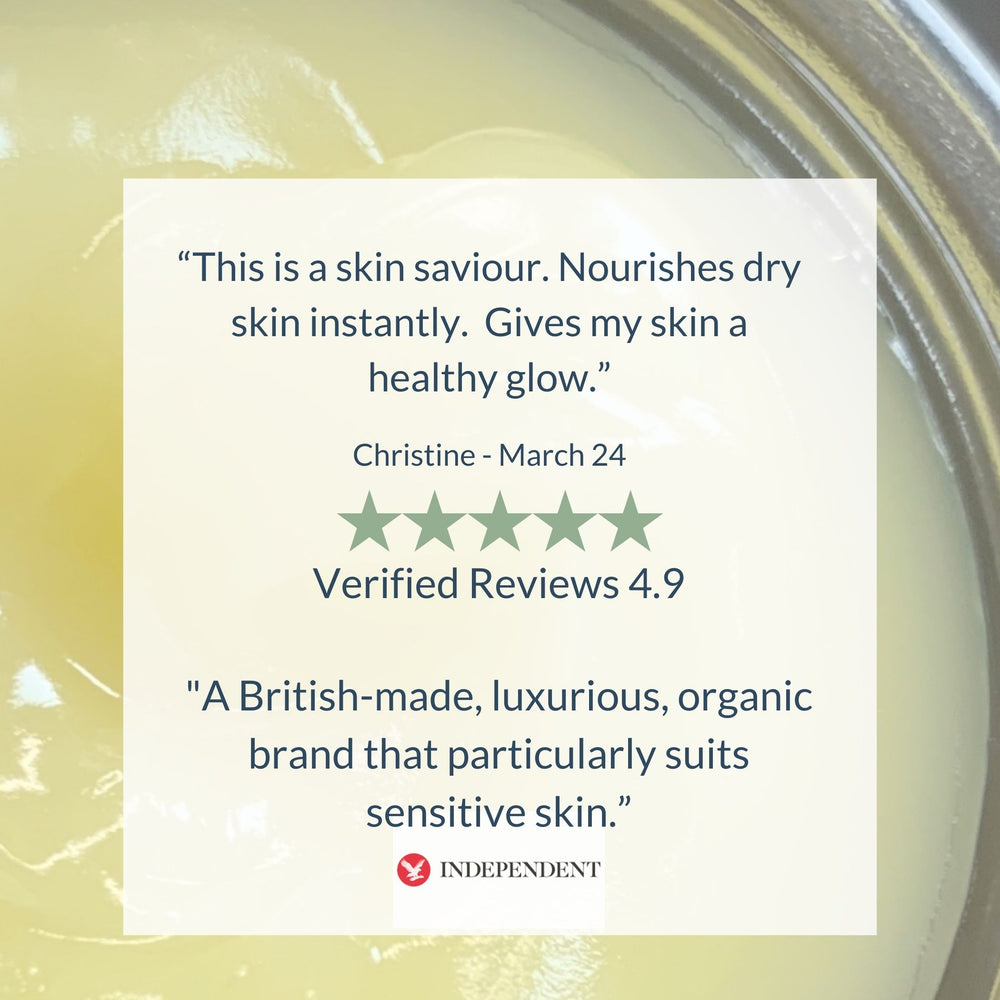
And this is the kind of feedback I see again and again. One Intensive Balm customer (60, menopausal, dry, redness-prone) described her skin feeling like “sandpaper” after using a harsh product — and said the balm’s soothing effect was instant, and that it soaks in overnight.
When a balm isn’t enough (and it's not you)
Here’s the honest bit.
A balm is brilliant at locking in moisture.
But if your skin is already really dry/dehydrated to begin with, there may not be much moisture there to lock in.
That’s when a waterless balm can feel:
-
like it “just sits on top”
-
like you’re still tight underneath
-
comforting… but not quite enough
What to do instead: add water, then seal it
If your skin is very dry/dehydrated, the best routine is often:
-
Add hydration (a water-based serum/essence/cream)
-
Seal it in (a balm)
Here's what I like:
-
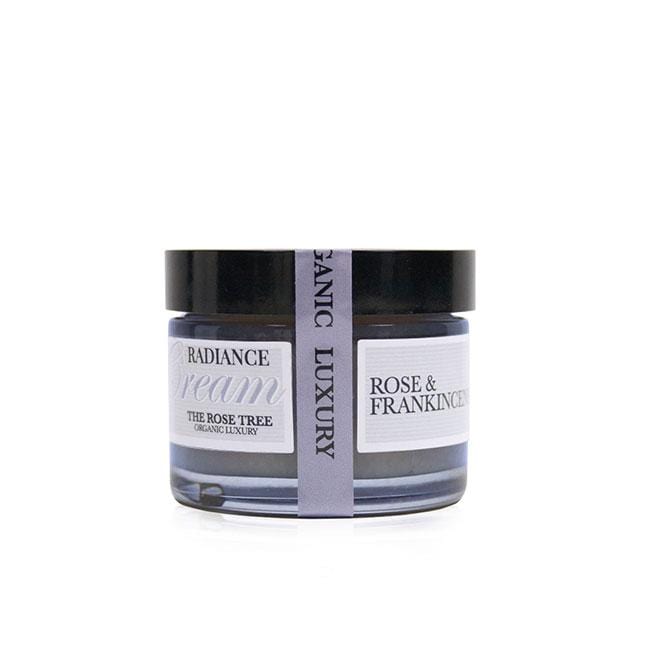
Radiance Cream (water-containing comfort) in the day
-
Intensive Balm at night (seal + soothe)
That combo is exactly what one reviewer did — and she was “blown away” after one use.

Here's a simple guide
If you’re not sure where you sit, try this:
-
If your skin feels tight even after moisturiser → add a hydrating layer, then balm
-
If your skin feels rough/flaky and easily irritated → balm can be your best friend
-
If your skin is comfortable but gets dry by late afternoon → cream in the morning, balm at night
The Rose Tree way (anti-hype, pro-results)
I’m not interested in trends that make you feel like you’re doing skincare “wrong”.
I am interested in what makes your skin feel:
-
comfortable
-
calm
-
nourished
-
quietly fabulous
Waterless skincare can absolutely be part of that.
Just not as a one-size-fits-all miracle.
If you want to try this approach
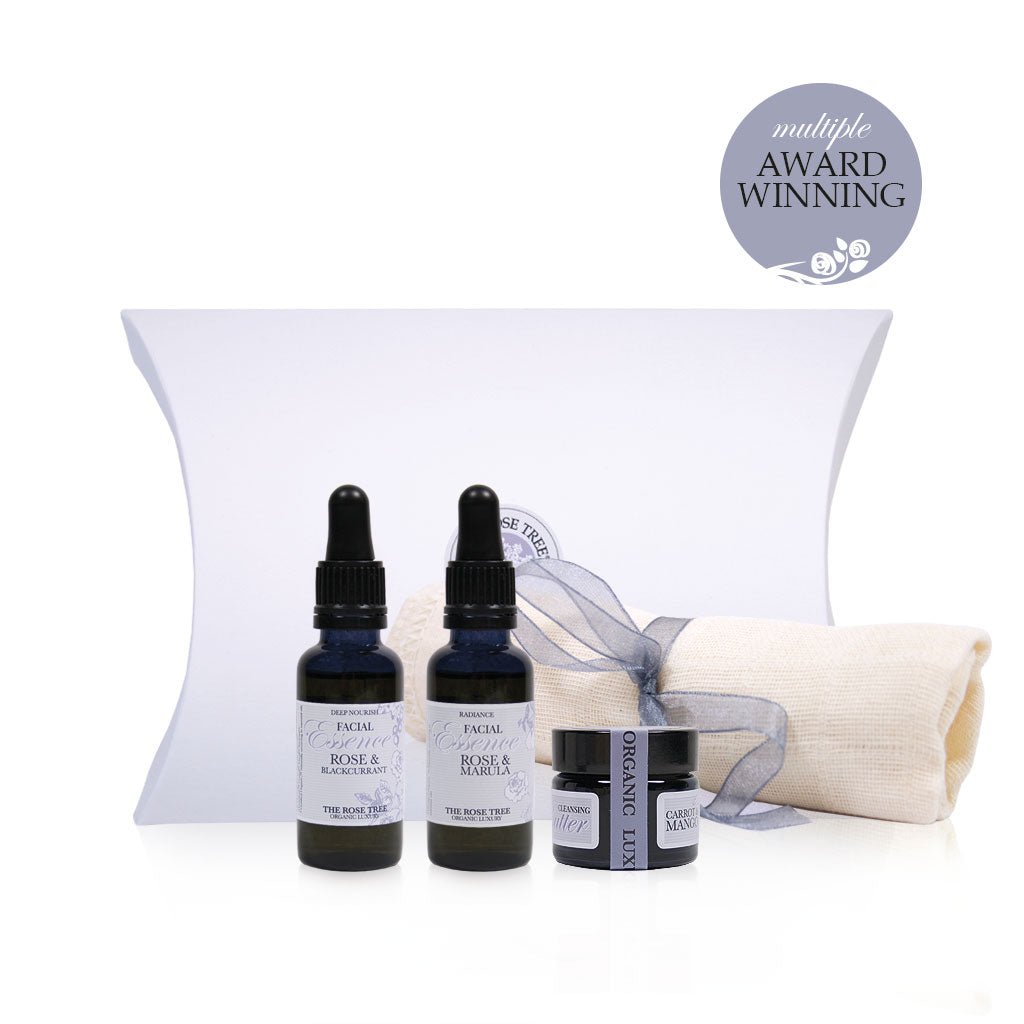
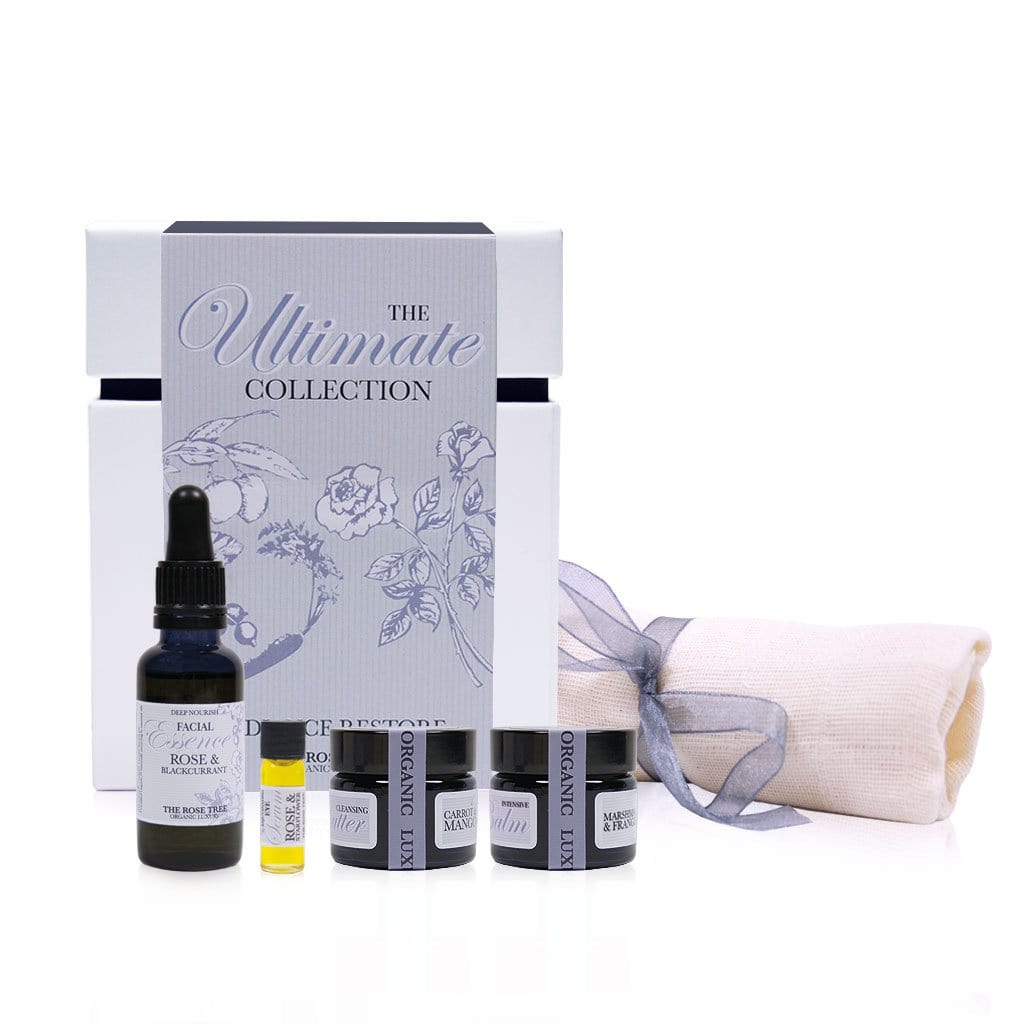
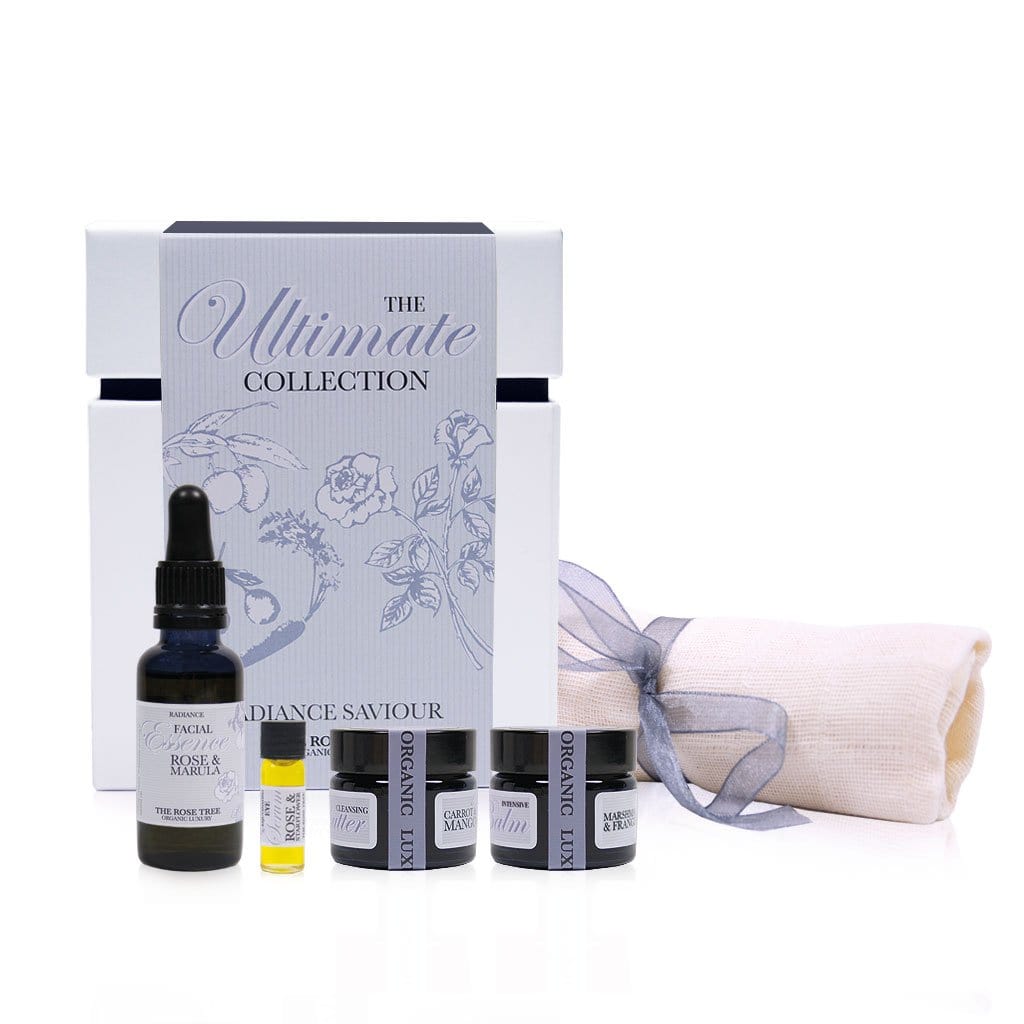
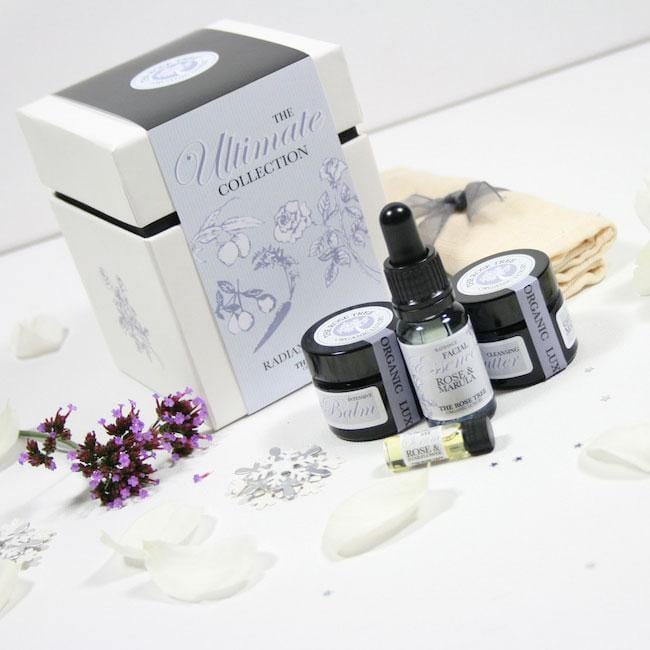
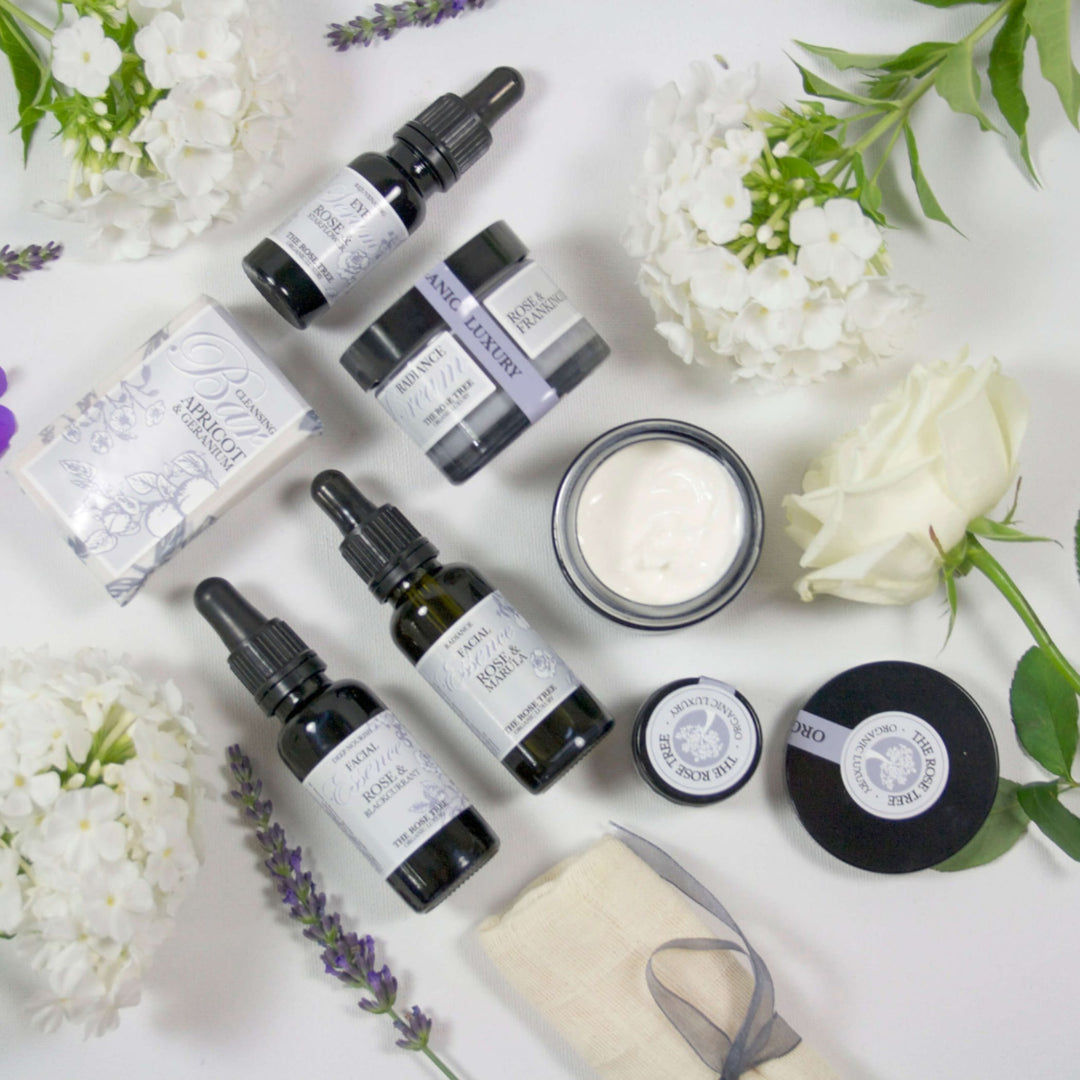
If you’re curious about waterless done properly, Intensive Balm is my most awarded waterless formula — and if you need a simple routine around it, the Hydration Essentials Starter Set was built for dry, sensitive, menopausal skin.
With love, Olga x








Leave a comment